Fairfax vs San Anselmo: A Neighborhood Comparison Guide
Read Article

Mill Valley and Larkspur are two of Marin County's most established and sought-after towns, and buyers frequently compare them when searching in the southern and central parts of the county. This guide covers what each market offers in 2026, from home prices and housing types to schools, lifestyle, and long-term value, so buyers have a clear, honest picture of both before narrowing their search. Patti Cohn Real Estate works with buyers across both communities and knows each market at the street level.
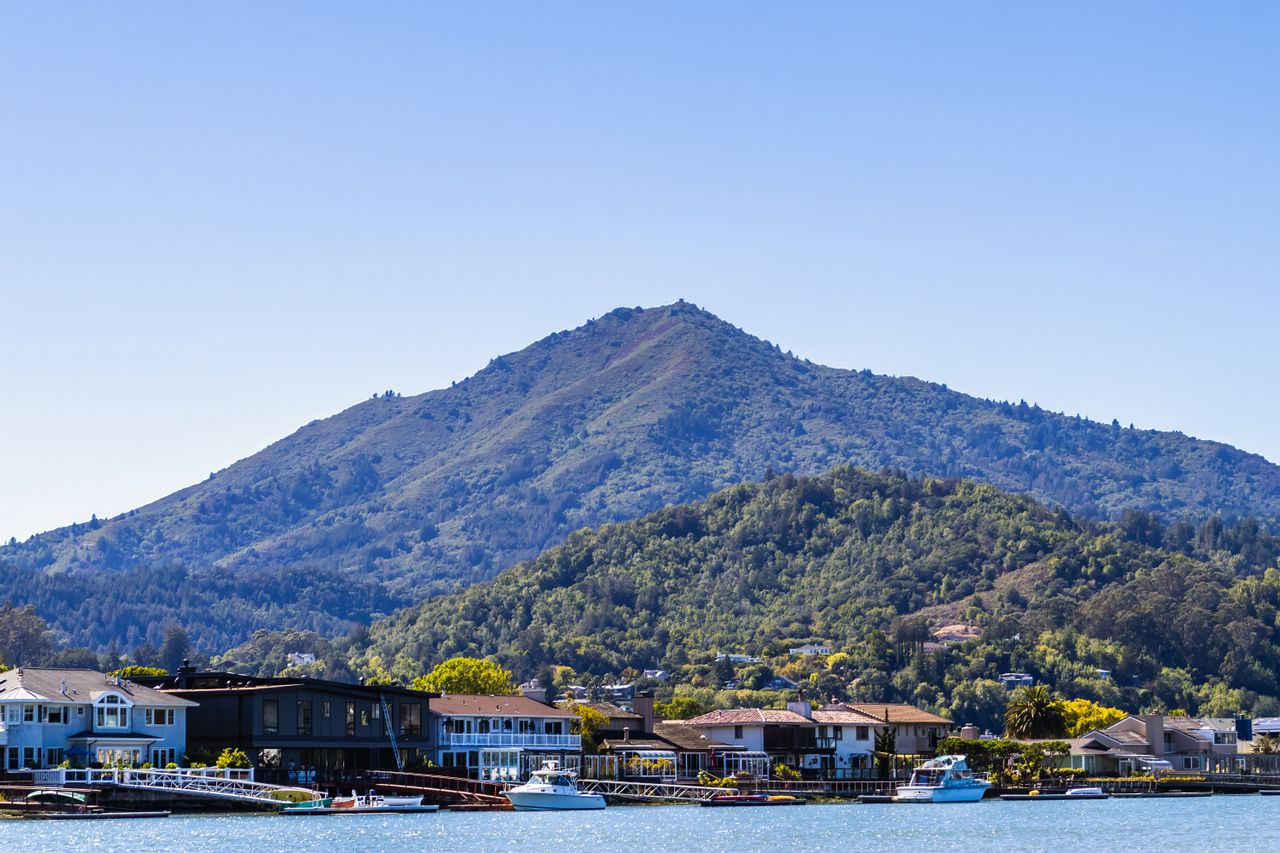
Mill Valley and Larkspur sit close to each other in southern and central Marin County but have distinct characters that shape the experience of living in each one. Mill Valley is known for its dramatic setting at the base of Mount Tamalpais, its vibrant downtown, and its strong schools. Larkspur is known for its central location, ferry access to San Francisco, and a balanced mix of residential character and everyday convenience.
Both towns have limited housing inventory, consistent buyer demand, and long-term residents who tend to stay. That stability is one of the key reasons both markets hold their value well across different conditions. Understanding the specific differences between them helps buyers figure out which one fits their priorities before they start making offers.
Mill Valley sits at the southern end of Marin County, just north of Sausalito and the Golden Gate Bridge. Its location makes it one of the closest Marin towns to San Francisco by car, with off-peak drive times typically running 20 to 30 minutes via US-101 and the bridge. That proximity is a consistent demand driver, particularly for buyers who commute to the city and want to minimize drive time.
Larkspur sits in central Marin, a few miles north of Mill Valley. Its primary commuter advantage is the Larkspur Ferry Terminal, which provides direct ferry service to San Francisco's Ferry Building in roughly 30 minutes. For buyers who prefer ferry commuting to driving, Larkspur offers one of the best transit options in the entire county. US-101 access from Larkspur is also straightforward, and the town's central location makes it practical for commutes in multiple directions.
Mill Valley real estate in 2026 carries a higher median price than Larkspur, reflecting its proximity to San Francisco, its strong school reputation, and the consistent demand from buyers who specifically target the town. Single-family homes in Mill Valley generally range from $1.5 million on the lower end for smaller or original-condition properties to $3 million and above for larger, fully updated, or canyon-adjacent homes. The price per square foot in Mill Valley runs approximately $800 to $1,000 for most single-family homes in 2026.
Larkspur homes for sale in 2026 generally fall between $1.3 million and $1.8 million for single-family homes, with some premium properties pushing above $2 million. The price per square foot in Larkspur runs approximately $750 to $900 for updated single-family homes. Both markets have seen year-over-year appreciation of around 4% to 6% in 2026, consistent with the broader southern Marin market.
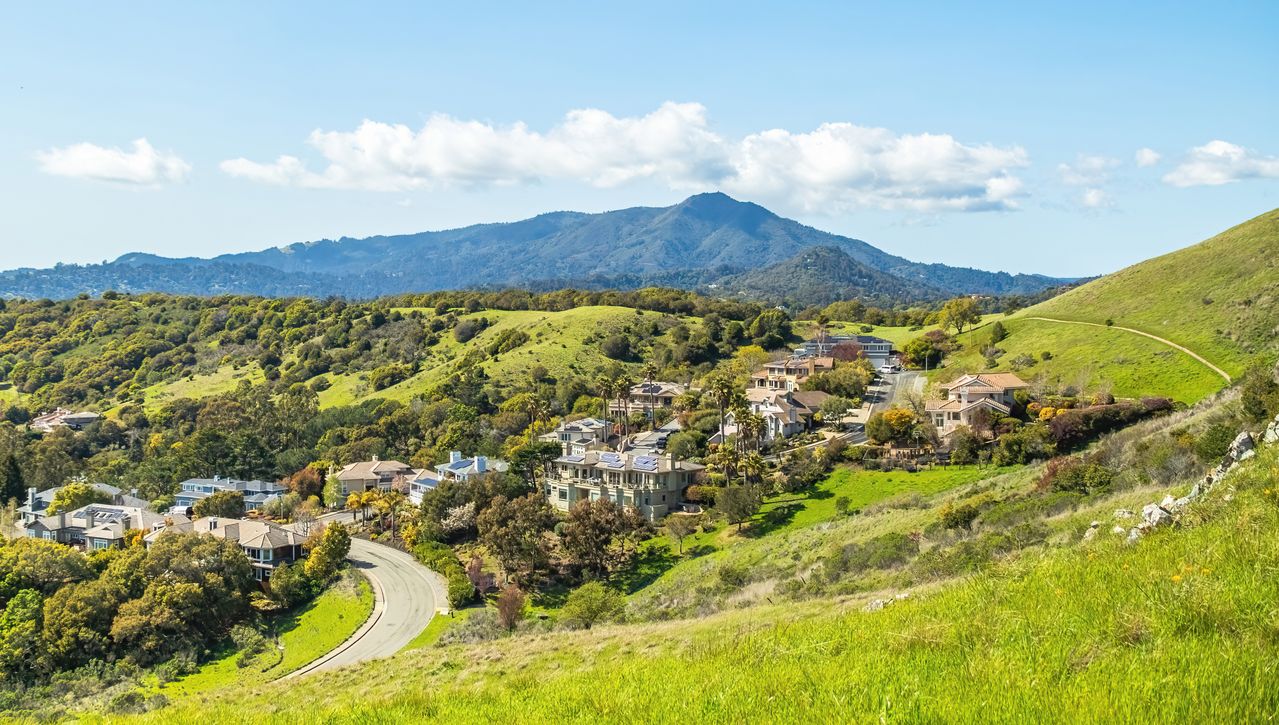
Single-family homes make up the majority of the housing stock in both towns. Mill Valley has a mix of older Craftsman cottages, mid-century homes, and larger contemporary properties, many of which sit on hillside lots with wooded surroundings. Larkspur has a similar mix, with mid-century ranches, Craftsman bungalows, and some newer construction spread across a flatter valley setting and hillside pockets near Baltimore Canyon.
Larkspur has a more active condo and townhome market than Mill Valley, with options available in Larkspur Landing and other parts of the town. Prices for condos in Larkspur start around $600,000 for smaller units and run to $900,000 or more for larger or updated properties. Mill Valley has very limited condo inventory, which means buyers looking for that format tend to find more options in Larkspur.
Both towns have luxury properties, though the character differs. Mill Valley's luxury segment is defined by canyon homes, hillside estates, and properties with mountain views, often trading above $3 million. Larkspur's luxury market is smaller and centered on larger single-family homes in the most desirable residential streets, with fewer of the dramatic natural settings that define Mill Valley's upper end.
Mill Valley has a mix of architectural styles that reflects its history as a town that grew up alongside the logging and tourism industries in the late 1800s and early 1900s. Craftsman cottages, shingle-style homes, and mid-century ranches are common throughout the town, alongside more contemporary designs on hillside lots developed in later decades. The wooded, hilly terrain gives Mill Valley neighborhoods a natural, somewhat informal character that's part of its identity.
Larkspur has a more varied development pattern. The historic downtown area around Magnolia Avenue has older commercial buildings and residential streets with Craftsman and Colonial-style homes. The Larkspur Landing area reflects later suburban development from the 1970s and 1980s. Baltimore Canyon neighborhoods have a more wooded, hillside character similar in feel to parts of Mill Valley. That variety means Larkspur offers a wider range of neighborhood settings within the same town.
Both markets have low inventory and consistent demand in 2026. Well-priced homes in Mill Valley typically go under contract within 14 to 21 days, with multiple offer situations common for properties priced below $2 million in move-in-ready condition. Larkspur sees similar activity, with well-priced homes going under contract within 15 to 28 days.
Turnover in both towns is low. Long-term residents in both Mill Valley and Larkspur tend to stay for many years, which keeps the pool of available homes small at any given time. That scarcity supports prices and means buyers who are serious about either town need to be pre-approved and ready to move quickly when the right property comes available.
Browsing Marin neighborhoods gives buyers a current view of active listings and recent sales in both communities before committing to a specific search area.
Several factors drive price differences within and between these two towns.
In Mill Valley, proximity to the downtown area and trail access from Cascade Canyon and other natural corridors are among the strongest premium factors. Homes within walking distance of the town center and those with direct trail access from the backyard consistently command higher prices than comparable homes without those features. Canyon-adjacent properties can carry a premium of $300,000 to $500,000 or more over similar homes on standard residential streets.
In Larkspur, proximity to the ferry terminal and to the Magnolia Avenue downtown area are the primary premium drivers. Homes within easy walking distance of the ferry attract buyers who specifically commute to San Francisco by boat, and that demand is consistent. Properties near Baltimore Canyon with trail access also carry a premium within the Larkspur market.
School district assignment matters in both towns. Both feed into the Tamalpais Union High School District, which includes Tamalpais High School and is consistently rated among the best in Marin County.
New construction is rare in both Mill Valley and Larkspur, as it is across most of Marin County. Land for new development is extremely limited, and zoning restrictions in both towns have kept density low for decades. When new or significantly rebuilt homes do come to market, they tend to attract strong interest quickly because they offer modern systems and finishes that are harder to find in the older housing stock.
Buyers who want new construction or a fully rebuilt home in either market should be prepared to pay a meaningful premium over comparable older homes. In Mill Valley, fully rebuilt or newly constructed single-family homes regularly trade above $3 million. In Larkspur, new construction at a similar scale trades in the $2 million to $2.5 million range depending on location and finishes.
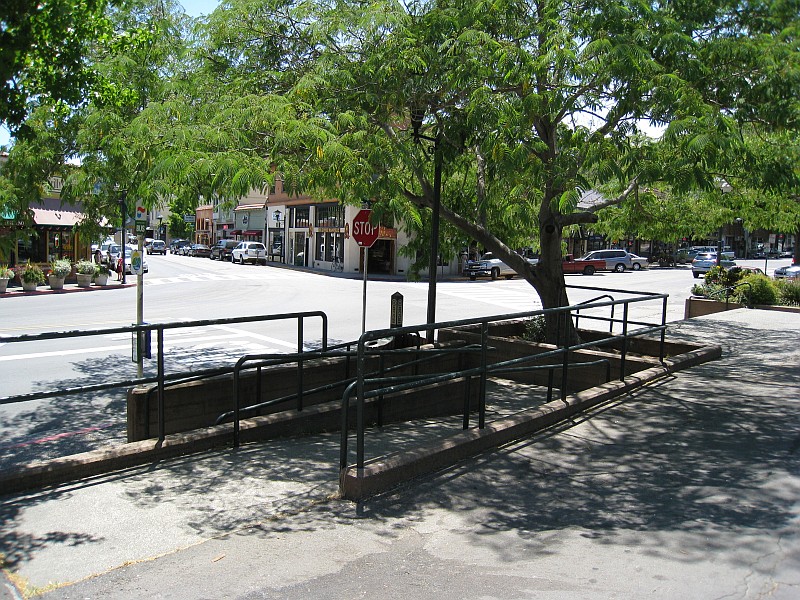
Mill Valley's downtown along Miller Avenue and Throckmorton Avenue is one of the town's defining features. Independent restaurants, boutiques, a farmers market, and the Throckmorton Theatre give it a genuine small-town downtown feel that residents use regularly. Mount Tamalpais State Park trails are accessible on foot or by a short drive from most Mill Valley neighborhoods, and outdoor activity is genuinely woven into daily life here in a way that's hard to replicate elsewhere in Marin.
Larkspur's lifestyle centers on its two commercial areas. The historic downtown along Magnolia Avenue has independent restaurants, cafes, and shops that give it an active village feel. Larkspur Landing covers everyday retail and grocery needs. Baltimore Canyon Open Space Preserve provides trail access from the western edge of town, and Piper Park along the bay gives residents waterfront and recreational space that's well-maintained and actively used.
Both Mill Valley and Larkspur have strong track records of long-term value retention. The combination of limited supply, consistent demand, strong schools, and proximity to San Francisco creates structural support for prices in both markets that has proven durable across multiple real estate cycles.
Mill Valley's appreciation has been slightly stronger over the long term, reflecting its higher price point and the depth of buyer demand from San Francisco commuters and buyers specifically targeting the town's lifestyle. Larkspur has shown similarly consistent appreciation, supported by the ferry terminal's commuter appeal and the town's central Marin location.
Property taxes in both towns follow California's Proposition 13 framework. On a $1.5 million purchase, expect an annual tax bill of approximately $16,500 to $18,750 per year. On a $2 million purchase, that rises to roughly $22,000 to $25,000 per year depending on specific local assessments.
Starting the home buying journey with a clear sense of your budget and long-term goals helps narrow the choice between these two markets, since the price difference between them is meaningful at the higher end of the range.
Wildfire risk is a relevant factor in both towns, particularly for properties near hillside terrain and open space. Mill Valley has areas classified as High and Very High Fire Hazard Severity Zones, and some Larkspur neighborhoods near Baltimore Canyon carry similar designations. Insurance costs in these zones have increased in recent years, with annual premiums sometimes running $4,000 to $8,000 or more for higher-risk properties.
Older homes in both towns can carry significant maintenance needs. Roofs, electrical panels, and plumbing in homes built before 1970 deserve close inspection, and repair costs in both markets run high. Roof replacement typically costs $20,000 to $45,000, and full electrical updates can run $10,000 to $20,000 or more.
School zoning at the elementary level varies by address in both towns even though both feed into the same high school district. Confirming which elementary school a specific address feeds into is a practical step for families before making an offer.
Pre-approval is essential in both markets before you start making offers seriously. Sellers in both Mill Valley and Larkspur expect buyers to be ready, and well-priced homes move fast. Multiple offer situations are common in both towns, and buyers who come in without financing sorted out rarely compete successfully.
Understanding which specific streets and pockets within each town matter most for your priorities, whether that's trail access, school zoning, ferry proximity, or downtown walkability, saves significant time in markets where inventory is always limited.
Working with a Marin real estate agent who knows both Mill Valley and Larkspur at the address level gives buyers a real advantage in markets where local knowledge makes a meaningful difference in both finding the right home and writing a competitive offer.
Mill Valley and Larkspur are both strong markets in Marin County with consistent demand, limited inventory, and long-term value that holds up well across different conditions. Mill Valley offers a higher price point with mountain setting, trail access, and proximity to San Francisco. Larkspur offers a central Marin location with ferry access, a balanced lifestyle, and a somewhat more accessible entry price in most segments. Both share strong school district quality and the kind of community character that keeps residents in place for a long time.
The comparison between them comes down to which specific combination of features fits your daily life, commute preferences, and budget. Spending time in both towns before deciding where to focus your search gives you information that no written guide can fully provide. If you want a current picture of what's available in either market or want to talk through the differences in more detail, contact us to start that conversation.
Mill Valley single-family homes in 2026 generally range from $1.5 million to $3 million, while Larkspur homes typically fall between $1.3 million and $1.8 million. Both markets have seen year-over-year appreciation of around 4% to 6%, and well-priced homes in both towns go under contract within 14 to 28 days depending on condition and price point.
Mill Valley residents primarily commute by car via US-101 and the Golden Gate Bridge, with off-peak drive times to San Francisco typically running 20 to 30 minutes. Larkspur has the additional option of the Larkspur Ferry Terminal, which provides direct ferry service to San Francisco's Ferry Building in roughly 30 minutes, giving Larkspur residents a transit alternative that Mill Valley does not have.
Both towns feed into the Tamalpais Union High School District for secondary school, which includes Tamalpais High School and is consistently rated among the best in Marin County. Elementary school assignments differ by address within each town, so confirming which specific school a property feeds into before making an offer is an important step for families with children.
Property taxes in both towns run approximately 1.1% to 1.25% of the purchase price annually under California's Proposition 13 framework. On a $1.5 million home that works out to roughly $16,500 to $18,750 per year. Homeowner's insurance for properties near hillside or open space terrain can run $4,000 to $8,000 or more annually due to wildfire risk designations, and older homes in both towns can carry roof, electrical, and plumbing costs that should factor into any realistic ownership budget.